Archives
- 2026-01
- 2025-12
- 2025-11
- 2025-10
- 2025-09
- 2025-03
- 2025-02
- 2025-01
- 2024-12
- 2024-11
- 2024-10
- 2024-09
- 2024-08
- 2024-07
- 2024-06
- 2024-05
- 2024-04
- 2024-03
- 2024-02
- 2024-01
- 2023-12
- 2023-11
- 2023-10
- 2023-09
- 2023-08
- 2023-06
- 2023-05
- 2023-04
- 2023-03
- 2023-02
- 2023-01
- 2022-12
- 2022-11
- 2022-10
- 2022-09
- 2022-08
- 2022-07
- 2022-06
- 2022-05
- 2022-04
- 2022-03
- 2022-02
- 2022-01
- 2021-12
- 2021-11
- 2021-10
- 2021-09
- 2021-08
- 2021-07
- 2021-06
- 2021-05
- 2021-04
- 2021-03
- 2021-02
- 2021-01
- 2020-12
- 2020-11
- 2020-10
- 2020-09
- 2020-08
- 2020-07
- 2020-06
- 2020-05
- 2020-04
- 2020-03
- 2020-02
- 2020-01
- 2019-12
- 2019-11
- 2019-10
- 2019-09
- 2019-08
- 2019-07
- 2019-06
- 2019-05
- 2019-04
- 2018-11
- 2018-10
- 2018-07
-
br Antifungal resistance what is in a
2024-08-19
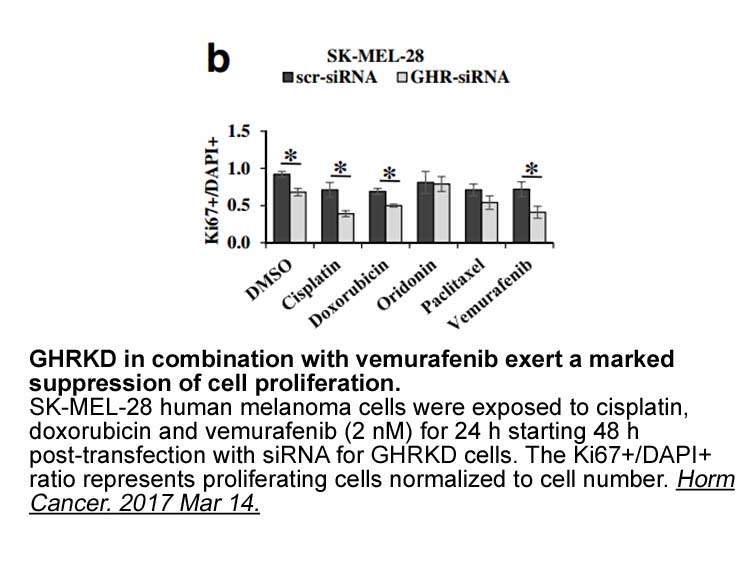
Antifungal resistance, what is in a name? Antifungal resistance is an emerging and hot topic in the field of medical mycology. Microbiological resistance is identified by determining minimal inhibitory concentrations (MICs) in vitro for a given antifungal and interpreting this value according to
-
Echinocandin resistance is systematically associated with po
2024-08-19
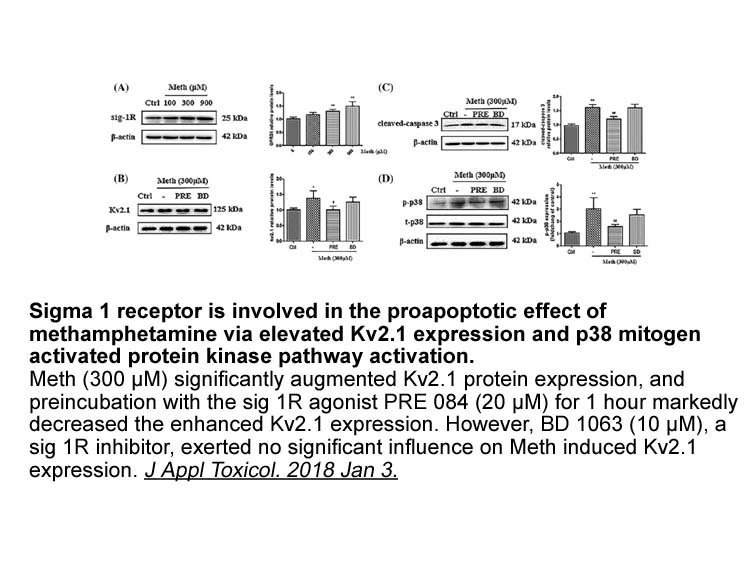
Echinocandin resistance is systematically associated with point mutations in either FSK1 or FSK2 genes [7], [104]. These mutations are located in two different not spot regions of these genes named HS1 and HS2. Hot spot mutations have been reported in C. albicans, C. glabrata, C. tropicalis, C. krus
-
br Duality of interest br Contribution
2024-08-19
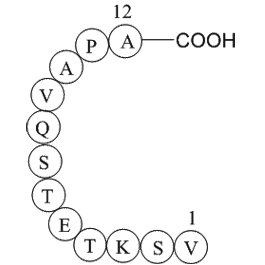
Duality of interest Contribution statement Acknowledgments Introduction Rapid, cell surface-initiated steroid actions have been reported for all major groups of steroid hormones and our understanding of membrane-mediated steroid actions has progressed rapidly over the last two decades. M
-
Electron paramagnetic resonance studies of mixtures of
2024-08-19
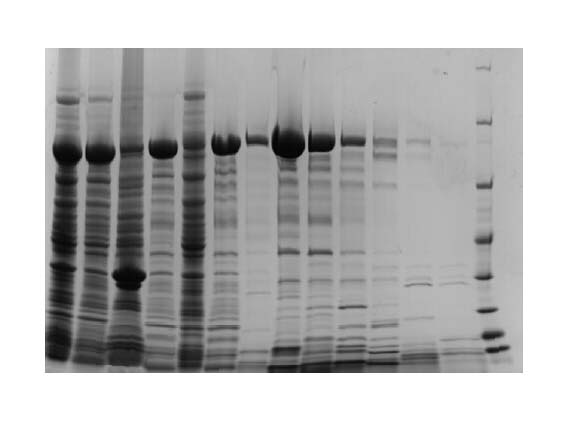
Electron paramagnetic resonance studies of mixtures of Aβ1–40 and Aβ1–42 suggest that interlaced fibrils might also form [40] where Aβ1–40 and Aβ1–42 is found within the same fibril. Considering the Aβ fold rather than the sequence, these observations imply two mechanisms that might lower the total
-
Immunohistochemistry Hearts from young and
2024-08-19
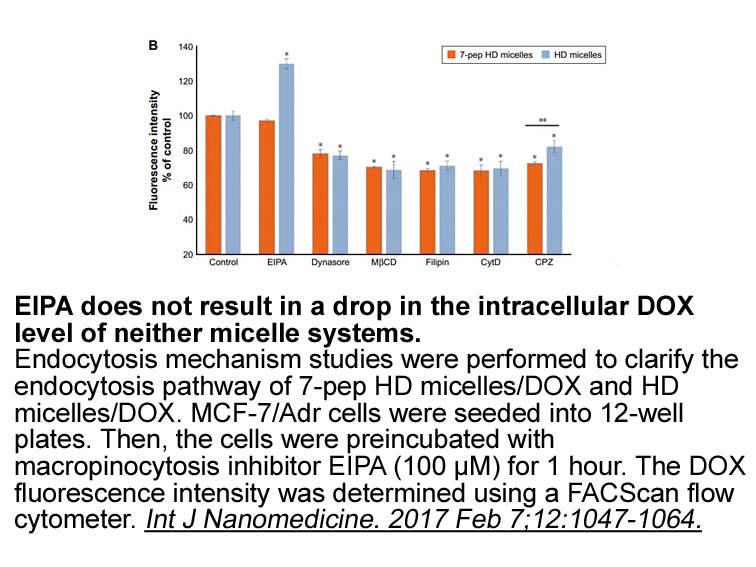
Immunohistochemistry: Hearts from young and aged mice were collected at the indicated times, fixed overnight in 10% formalin, and embedded in paraffin. Serial 5-μm heart sections from each group were analyzed. Samples were stained with H&E for routine histologic examination. Immunohistochemical stai
-
br Materials and methods br Results
2024-08-19
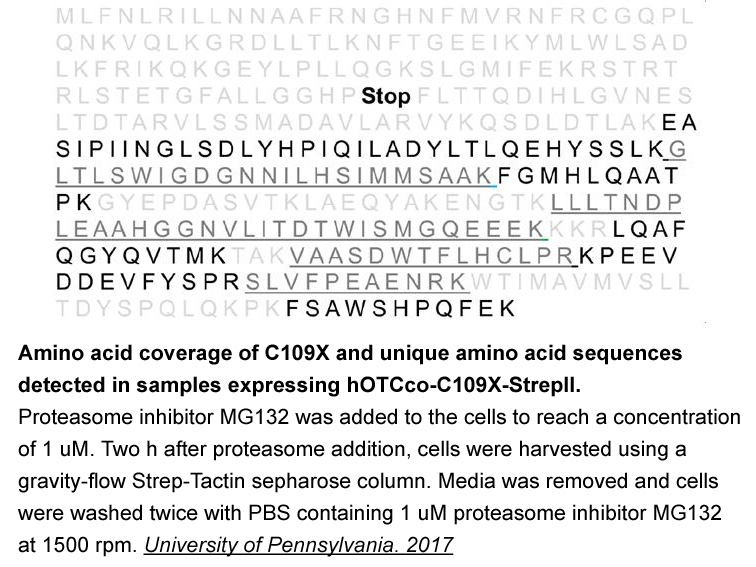
Materials and methods Results Discussion Intracellular metabolic pathways of sugar, such as glycolysis and TCA cycle, provide material and energy for the synthesis of other substances, including amino acids. Thus, the content of sugars and their metabolic pathways are important for amino ar
-
Pregnane X receptor PXR is a nuclear receptor
2024-08-17
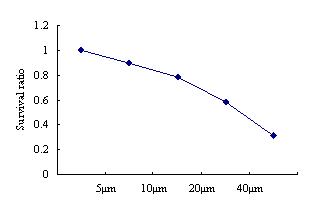
Pregnane X receptor (PXR) is a nuclear receptor that plays an important role in regulation of metabolism and disposition of structurally diverse xenobiotics as well as endogenous steroids and bile acids (Bertilsson et al., 1998, Kliewer et al., 1998, Lehmann et al., 1998). PXR regulates the metaboli
-
br Concluding remarks Following the disappointing outcomes o
2024-08-17

Concluding remarks Following the disappointing outcomes of Aβ immunotherapy trials for AD [62], the current prevailing concept is that disease-modifying therapy must be initiated from the presymptomatic stage of the disease because of the presumed incurability of chronic diseases once they become
-
The activation of P Rs modulates the activity
2024-08-17
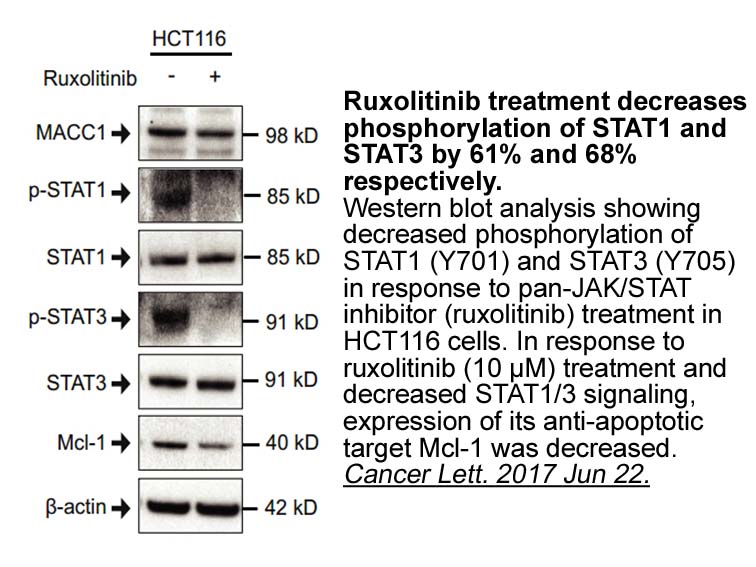
The activation of P1Rs modulates the activity of many ion channels and receptors (Sebastião and Ribeiro, 2009) and the recent detection of P1Rs at the postsynaptic level of the adult NMJ (Garcia et al., 2014) makes potentially possible an adenosine-mediated modulation of the nicotinic atp 4 synthes
-
The cytoplasmic domain of muscle AChR is not
2024-08-17
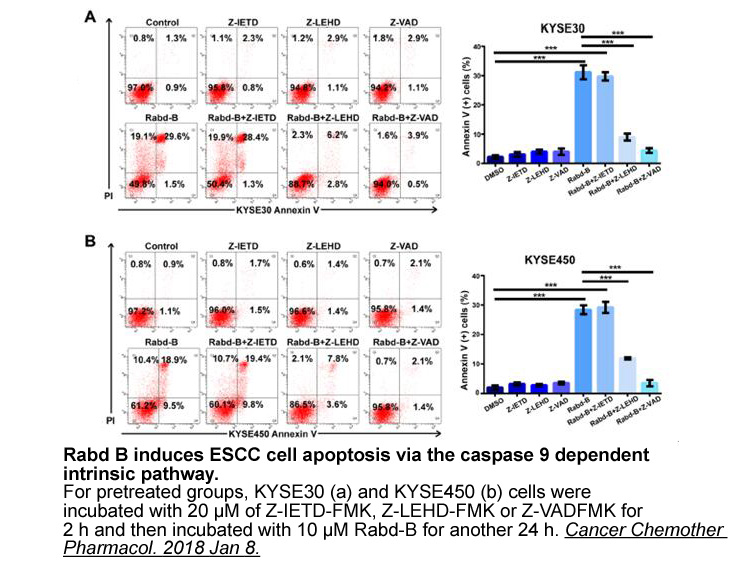
The cytoplasmic domain of muscle AChR is not accessible to Valinomycin in vivo. Theoretically, therapy with the cytoplasmic domains should be safe. Safety is demonstrated by the facts that: (1) rats repeatedly immunized with the cytoplasmic domains in TiterMax adjuvant do not develop EAMG, although
-
The reaction of LOX with unlabeled AA
2024-08-17
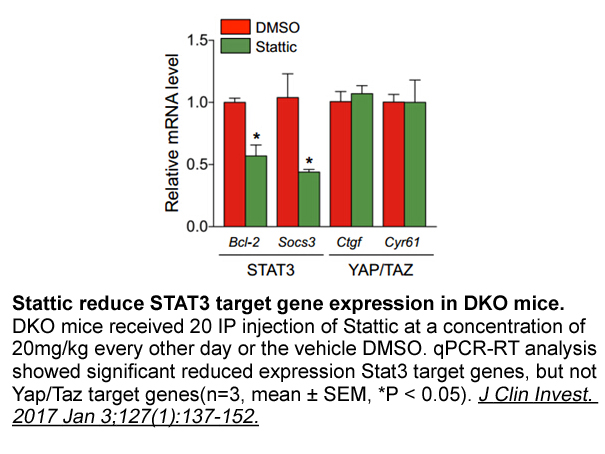
The reaction of 5-LOX with unlabeled AA generated products from hydrogen abstraction at C7 (95% 5-HETE) with minor products derived from abstraction at C10 (5% 8-HETE). With 7,7--AA the selectivity remained skewed towards C7 hydrogen abstraction (59%) compared to C10 hydrogen abstraction products (4
-
br Co http www apexbt com media
2024-08-17

Conclusions This paper is the first meta-analysis about the association between SRD5A2 V89L polymorphism and hypospadias risk. The results of this meta-analysis have revealed that V89L polymorphism definitely increases the risk of hypospadias, and the C allele is a genetic risk factor for hypospa
-
Acknowledgments br Introduction Prostate cancer is
2024-08-17

Acknowledgments Introduction Prostate cancer is the first leading cause of cancer-related deaths among males in the UK and the second in the US. Despite recent advances in surgery, radiation, medical management and screening, prostate cancer patients suffer high morbidity and mortality and signi
-
Finally not only can ERs pair with different
2024-08-17
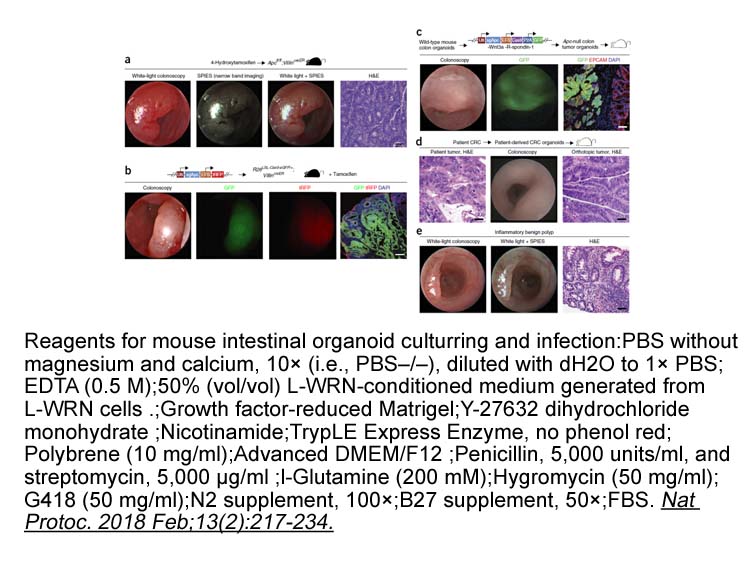
Finally, not only can ERs pair with different mGluRs in different gallic acid regions, but it is becoming increasingly clear that the same mGluRs can pair with distinct downstream signaling partners to have differential effects both within and across brain regions (Gross et al., 2016; Mannaioni et
-
Why do glutamate and glycine bind to the receptor
2024-08-17
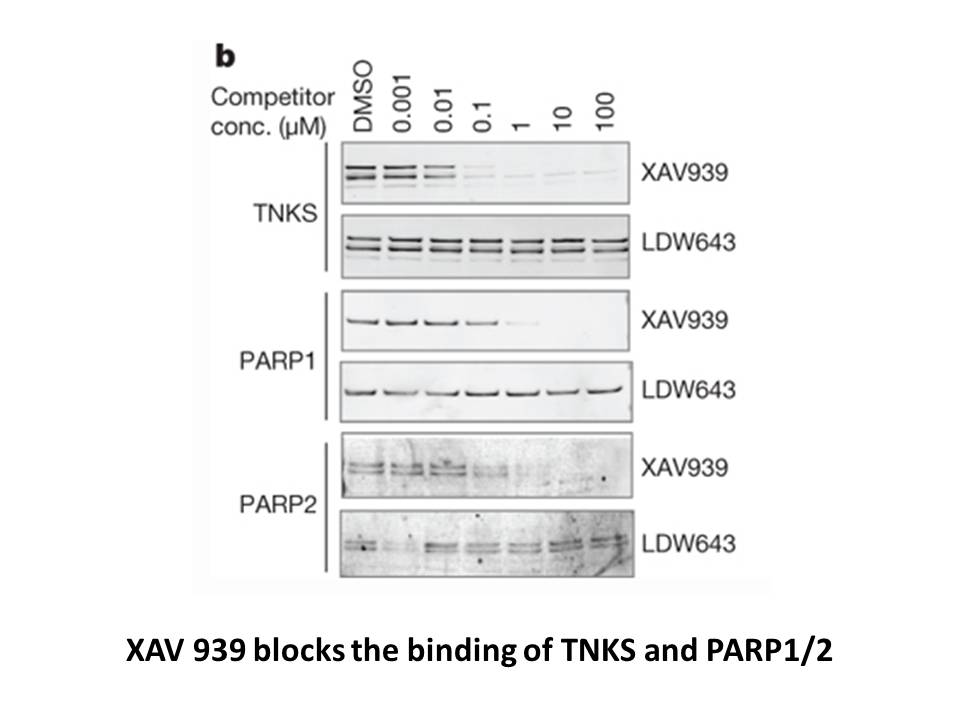
Why do glutamate and glycine bind to the Quercetin mg in such different ways? Given the overall structural similarity between the GluN2A and GluN1 LBDs, one might conclude that the LBDs also bind ligands via similar processes. NMDA receptors with engineered disulfide linkages that lock the GluN1 lo
15948 records 107/1064 page Previous Next First page 上5页 106107108109110 下5页 Last page