Archives
- 2026-10
- 2026-09
- 2026-08
- 2026-07
- 2026-06
- 2026-05
- 2026-04
- 2026-03
- 2026-02
- 2026-01
- 2025-12
- 2025-11
- 2025-10
- 2025-09
- 2025-03
- 2025-02
- 2025-01
- 2024-12
- 2024-11
- 2024-10
- 2024-09
- 2024-08
- 2024-07
- 2024-06
- 2024-05
- 2024-04
- 2024-03
- 2024-02
- 2024-01
- 2023-12
- 2023-11
- 2023-10
- 2023-09
- 2023-08
- 2023-06
- 2023-05
- 2023-04
- 2023-03
- 2023-02
- 2023-01
- 2022-12
- 2022-11
- 2022-10
- 2022-09
- 2022-08
- 2022-07
- 2022-06
- 2022-05
- 2022-04
- 2022-03
- 2022-02
- 2022-01
-
The FAAH inhibitor activity of the ethoxycarbonyl phenyl
2022-06-24
The FAAH inhibitor activity of the 3-(5-(ethoxycarbonyl)-1-phenyl-1H-pyrazol-3-yl)phenyl cyclohexylcarbamates was investigated by preparation of compounds (43–52, Table 3). These new compounds displayed an important loss of activity in comparison with the corresponding regioisomers 5-phenyl compound
-
While the binding of HK to
2022-06-23
While the binding of HK1 to VDAC1 is strong and continuous, the binding of HK2 to VDAC1 is much weaker, and alternates between a cytoplasmic and a mitochondrial-bound states (John et al., 2011). This dynamic process is regulated by the metabolic and energetic requirements of the Zerumbone and provi
-
In this current study we
2022-06-23
In this current study, we not only demonstrated the growth-inhibitory effects of the 2nd generation analog SL-1-39 on the HER2+ breast cancer cells, MDA-MB-453 and SKBR3 (Table 1), but we also demonstrated that the decrease in cell number was associated with an interruption of Efavirenz progression
-
br Material and methods br Results br Discussion
2022-06-23
Material and methods Results Discussion Liver plays a key role in the metabolism and detoxification of DON (Peng et al., 2017). However, various DON investigations generated inconsistent results, with some showing hepatotoxicity of DON, while others not. For example, one report stated that
-
STAR Methods br Acknowledgments We thank C Hong R
2022-06-23
STAR★Methods Acknowledgments We thank C. Hong, R. Huang, and Z. Yu at the HHMI Janelia cryo-EM facility for help with microscope operation and data collection. We thank A. Müller, W. Kan, and W. Weis for help with the SEC-MALS analysis and M. Elazar and J. Glenn for the use of equipment. P. Love
-
In the course of studies leading
2022-06-23
In the course of studies leading to the discovery of , modifications at the P3-P4 interface of these tripeptide-based inhibitors were examined with the goal of improving potency while maintaining a PK profile similar to . In this report, we summarize those studies which led to the identification of
-
br Methods br Results br Discussion The
2022-06-23
Methods Results Discussion The aim of this study was to investigate whether serum lectin-binding activity is associated with development of HCC in HCV-positive individuals. Using ELISA-based assays of lectin-binding activity, we demonstrated that both age and gender influence the circulatin
-
Of what interest is the link between GSNOR and NO
2022-06-23
Of what interest is the link between GSNOR and NO in the plant response to Fe deficiency? On the one hand, NO acts as an important signal to help plants accommodate Fe deficiencies; on the other hand, surplus NO is indeed a harmful RNS that induces severe S-nitrosylation-related damage at a higher s
-
Materials and Methods br Results br Discussion
2022-06-23
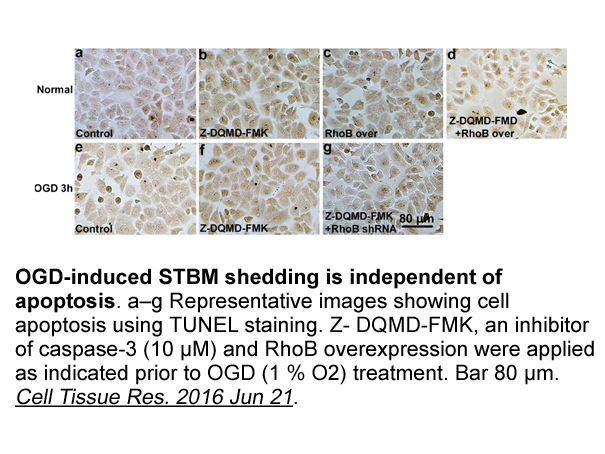
Materials and Methods Results Discussion Activation of TLRs by damage-associated patterns is a well-recognized trigger for inflammation. TLR ligation results in a large increase in glycolytic metabolism in macrophages and other immune cells,12, 27 and we hypothesized that the glycolytic metab
-
Screening of the compounds allowed for a number of
2022-06-23
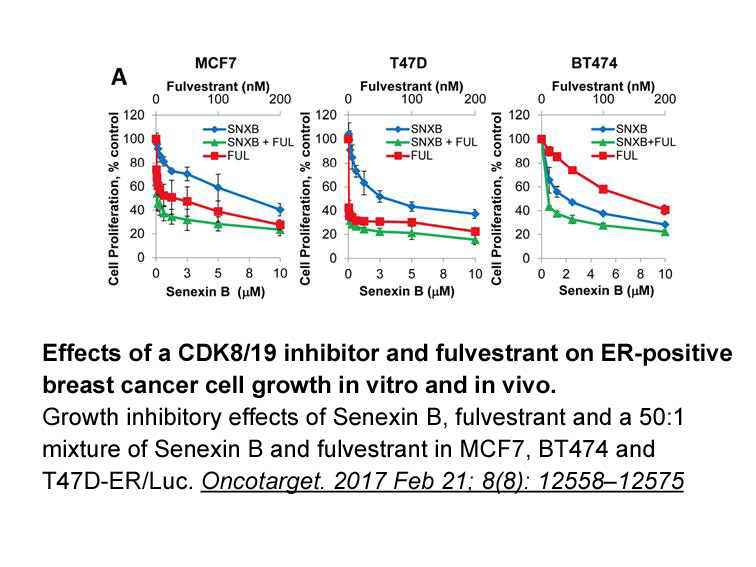
Screening of the compounds allowed for a number of interesting SAR observations. First of all, pyridyl analogue demonstrated that a pyridine ring would be beneficial for both log as well as increasing the potency (entry 2 versus entry 1). Electron-poor aryl groups next to the oxadiazolone were detr
-
We hypothesized that modulating redox
2022-06-23
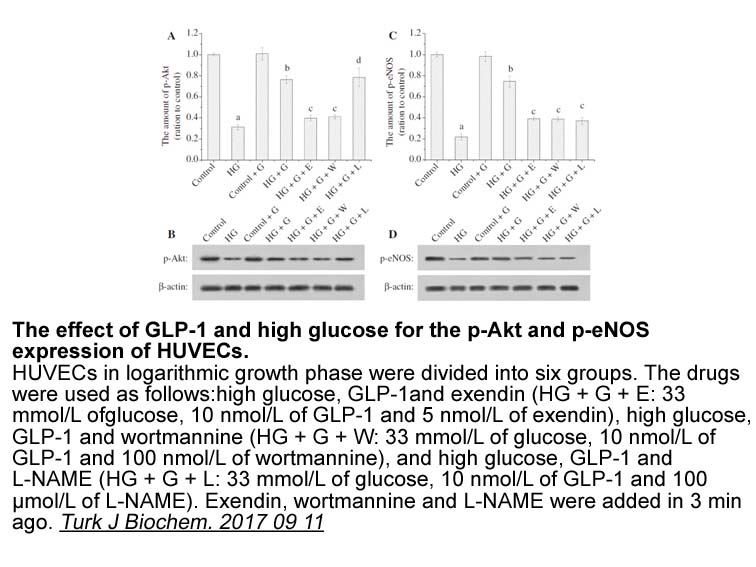
We hypothesized that modulating redox stress by altering endogenous antioxidant content (overexpression of catalase) and/or via dietary intervention will improve energy metabolism, adipose tissue function, and overall glucose and lipid homeostasis. To better understand the interplay between redox re
-
br Introduction Few decades after of HIV AIDS
2022-06-23
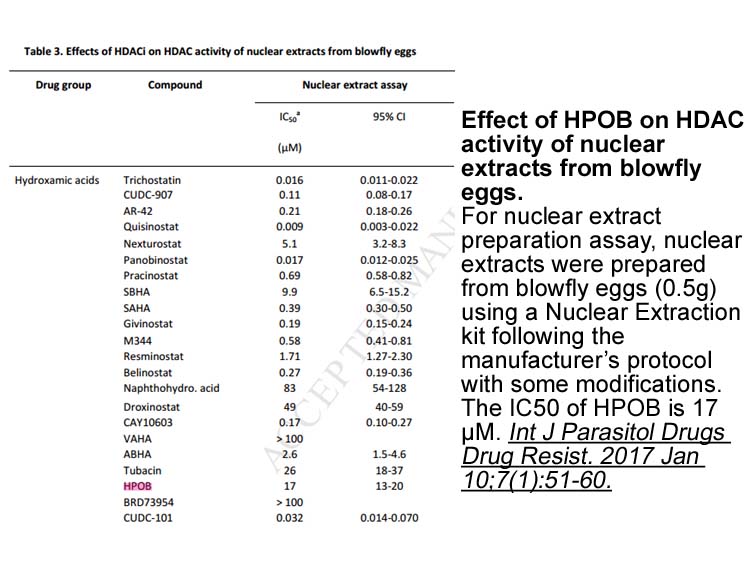
Introduction Few decades after of HIV/AIDS diagnosis, it has been still a health problem and impact will continue in the next decades. In 2015, HIV/AIDS was the 12th cause of death in the world and it's estimated that 1.2 million people was died of HIV/AIDS this year. In the global epidemiologic
-
Glutathione (GSH/GSSG/Total) Fluorometric Assay Kit In this
2022-06-23
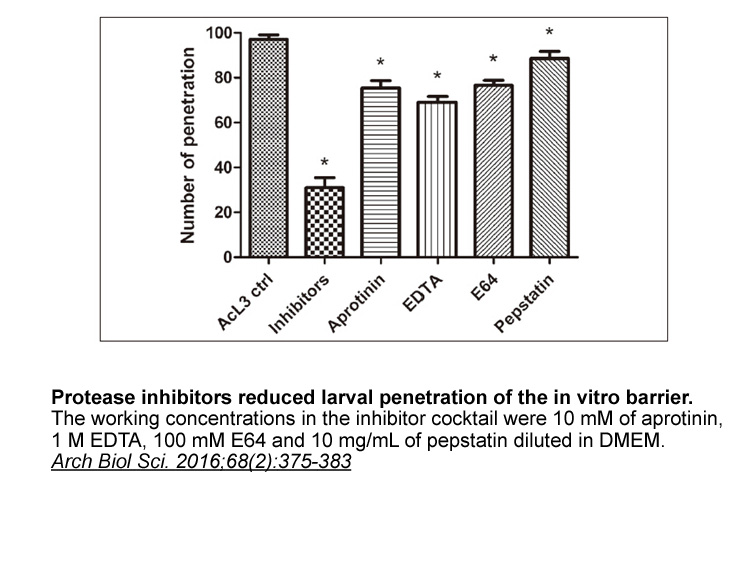
In this study we provide biochemical and immunohistochemical evidence for the localization of the glycine transporter GLYT1 in synaptic vesicles. Previously, it was thought that GLYT1 was exclusively a glial protein (Zafra et al., 1995a). However, due to a partial discrepancy between mRNA and protei
-
Further explorations at the ortho and meta positions of
2022-06-23

Further explorations at the ortho- and meta-positions of the phenyl in the tail proceeded on the basis of the preliminary results. First, we investigated the fluorine group at the meta- (13p) and ortho-positions (13q) of the phenyl group, with both compounds being slightly less potent than 13o. Surp
-
In conclusion we have designed and
2022-06-23
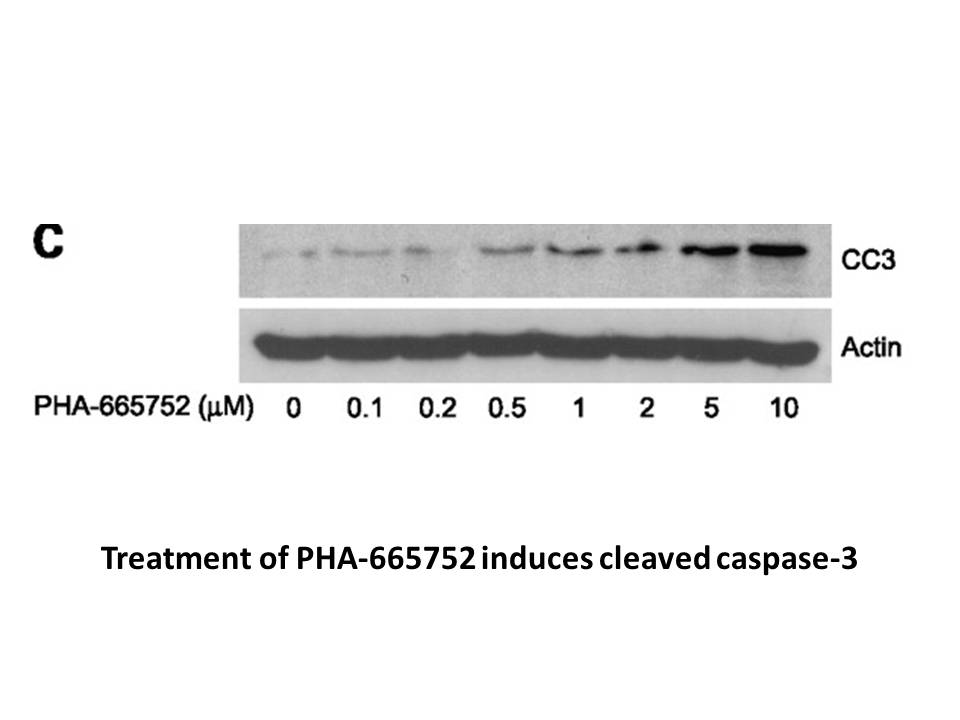
In conclusion, we have designed and characterized a novel series of EAAT-blockers, exemplified by (-[4-(2-bromo-4,5-difluorophenoxy)phenyl]--asparagine)—a potent, selective, competitive non-substrate inhibitor of EAAT-2. As one of the most potent and selective EAAT-2 inhibitors identified to date, c
7941 records 434/530 page Previous Next First page 上5页 431432433434435 下5页 Last page