Archives
- 2026-08
- 2026-07
- 2026-06
- 2026-05
- 2026-04
- 2026-03
- 2026-02
- 2026-01
- 2025-12
- 2025-11
- 2025-10
- 2025-09
- 2025-03
- 2025-02
- 2025-01
- 2024-12
- 2024-11
- 2024-10
- 2024-09
- 2024-08
- 2024-07
- 2024-06
- 2024-05
- 2024-04
- 2024-03
- 2024-02
- 2024-01
- 2023-12
- 2023-11
- 2023-10
- 2023-09
- 2023-08
- 2023-06
- 2023-05
- 2023-04
- 2023-03
- 2023-02
- 2023-01
- 2022-12
- 2022-11
- 2022-10
- 2022-09
- 2022-08
- 2022-07
- 2022-06
- 2022-05
- 2022-04
- 2022-03
- 2022-02
- 2022-01
- 2021-12
- 2021-11
- 2021-10
- 2021-09
- 2021-08
- 2021-07
- 2021-06
- 2021-05
- 2021-04
- 2021-03
- 2021-02
- 2021-01
- 2020-12
- 2020-11
- 2020-10
- 2020-09
- 2020-08
- 2020-07
- 2020-06
- 2020-05
- 2020-04
- 2020-03
- 2020-02
- 2020-01
- 2019-12
- 2019-11
- 2019-10
- 2019-09
- 2019-08
- 2019-07
- 2019-06
- 2019-05
- 2019-04
- 2018-11
- 2018-10
- 2018-07
-
br Ligand binding free energies In
2021-11-26
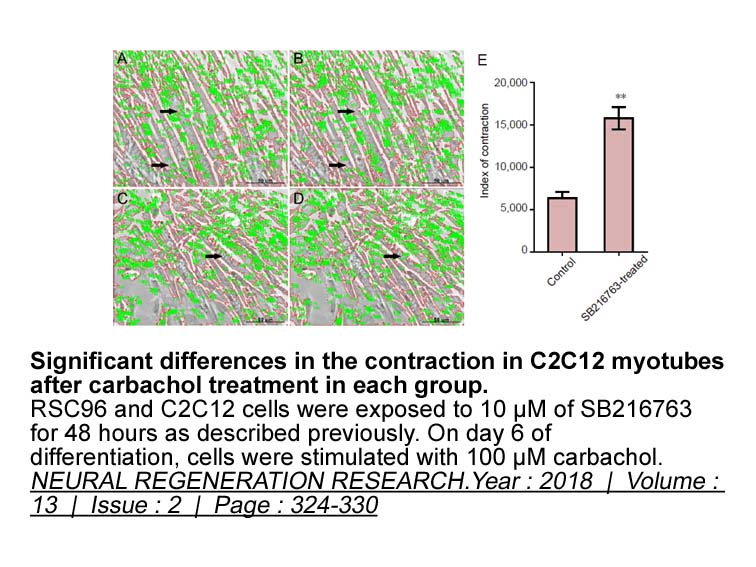
Ligand-binding free energies In order to compute the absolute free BML-277 associated with binding a ligand to a flexible iGluR LBD, a theory that accounts for all the principal thermodynamic contributions from ligand docking and LBD closure had to be developed. This was accomplished using an ap
-
Although most of the incretin effects on glucose metabolism
2021-11-26
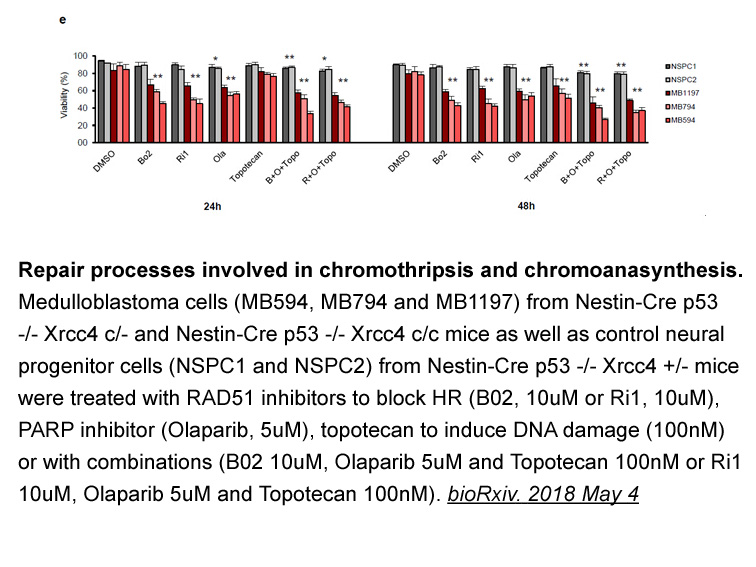
Although most of the incretin effects on Diclofenac Sodium metabolism can be secondary to their action on insulin/glucagon secretion, some evidence strongly suggests that they could also act directly on liver glucose utilization and production [4], [13], [22], [27], [34], [44]. Supporting this conc
-
AKR D is very highly expressed in human liver
2021-11-26
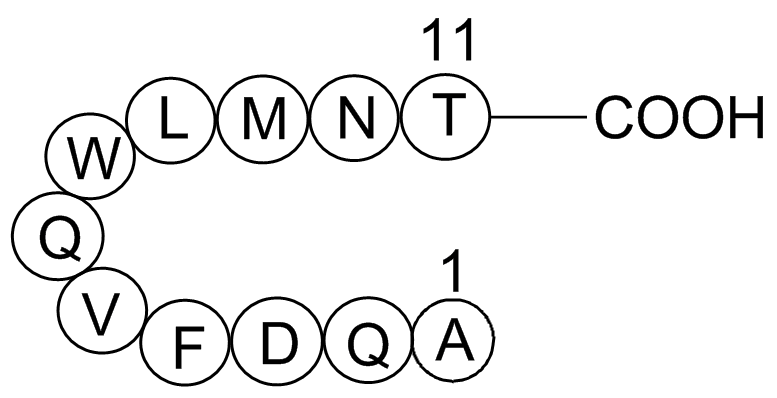
AKR1D1 is very highly expressed in human liver and based upon the observations outlined above, with respect to other steroid hormone pre-receptor metabolising enzymes, it is entirely plausible that AKR1D1 could represent a critical regulatory step in the control of metabolic phenotype within the liv
-
Fig a and b illustrates a slow inhibition by
2021-11-26
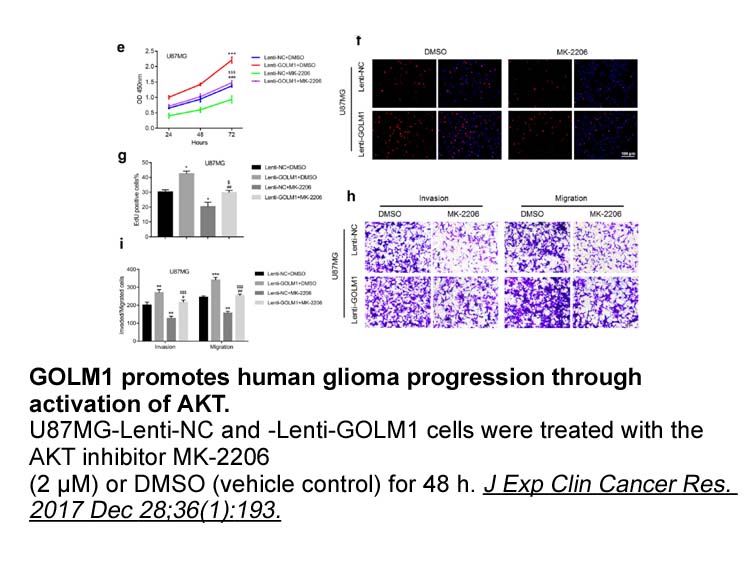
Fig. 3a and b illustrates a slow inhibition by PMA in 2 μM Ca2+. Moreover, channel inhibition was reversed by addition of PKC19–31, a peptide inhibitor specific for PKC, as shown in Fig. 3c. In three experiments, Im was reduced to 14.5±0.6% of the control value by PMA to increase to 207.6±73.6% by a
-
Studies regarding secretase nowadays aim at elucidating how
2021-11-26
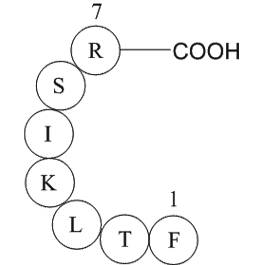
Studies regarding γ-secretase nowadays aim at elucidating how APP is recognized and recruited. It has been suggested based on coarse-grained molecular simulation that the recognition and recruitment of substrate can occur on an extended surface covering PS1's TM2/6/9 domains and PAL motif [15]. Tran
-
Previous research has suggested that
2021-11-26
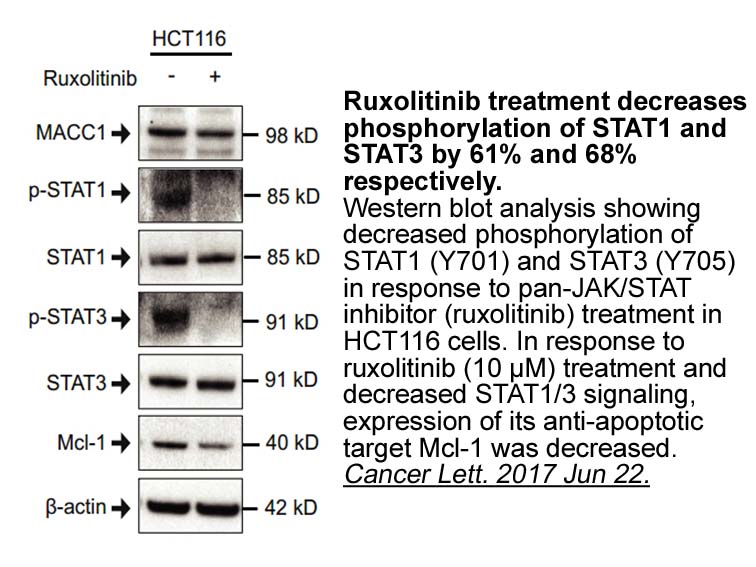
Previous research has suggested that differences in spatiotemporal regulation of intracellular signaling pathways can confer specificity to cellular responses (Marshall, 1995). Conventional approaches based on gain- or loss-of-function genetic manipulations or small-molecule inhibitors, however, lac
-
Following these discoveries the term ferroptosis was coined
2021-11-26
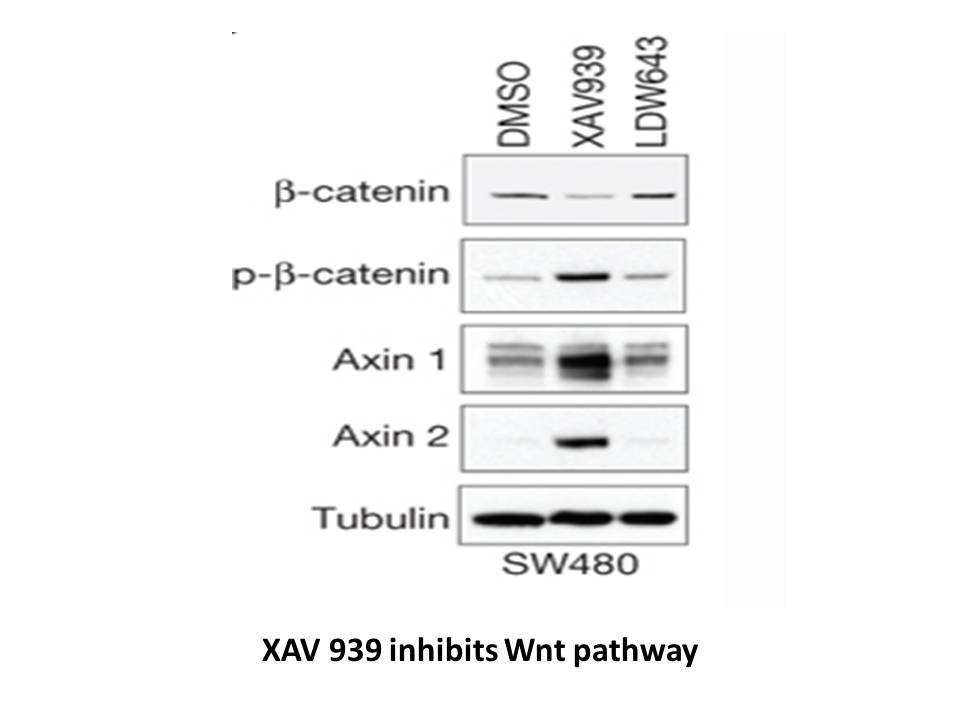
Following these discoveries, the term ferroptosis was coined in 2012 [25], to describe this iron-dependent, non-apoptotic form cell death induced by erastin and RSL3. This discovery was accompanied by the development of the first small molecule ferroptosis inhibitor, termed ferrostatin-1, and the de
-
br Acknowledgements br Introduction Muscle FBPase is
2021-11-26
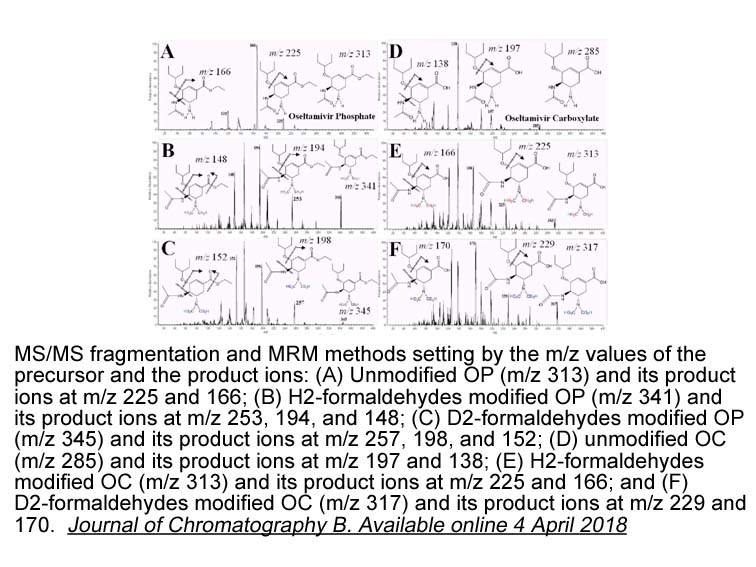
Acknowledgements Introduction Muscle FBPase is very sensitive to AMP inhibition and in the presence of physiological concentrations of this effector in muscle fibres FBPase should be almost completely inactive [1], [2]. Recently, we have presented evidence that, in vitro, muscle aldolase binds
-
Apoptosis via Fas FasL system has been evidenced
2021-11-26
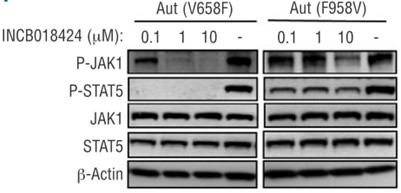
Apoptosis via Fas/FasL system has been evidenced to play a role in the pathogenesis of many diseases [26], [27], [28], [29], [30], [31], [32], [33], [34]. Along with these, Fas/FasL system has an important role in progressive renal disease and organ rejection in renal, cardiac and liver transplanta
-
Two recently developed highly specific EZH enzymatic inhibit
2021-11-26
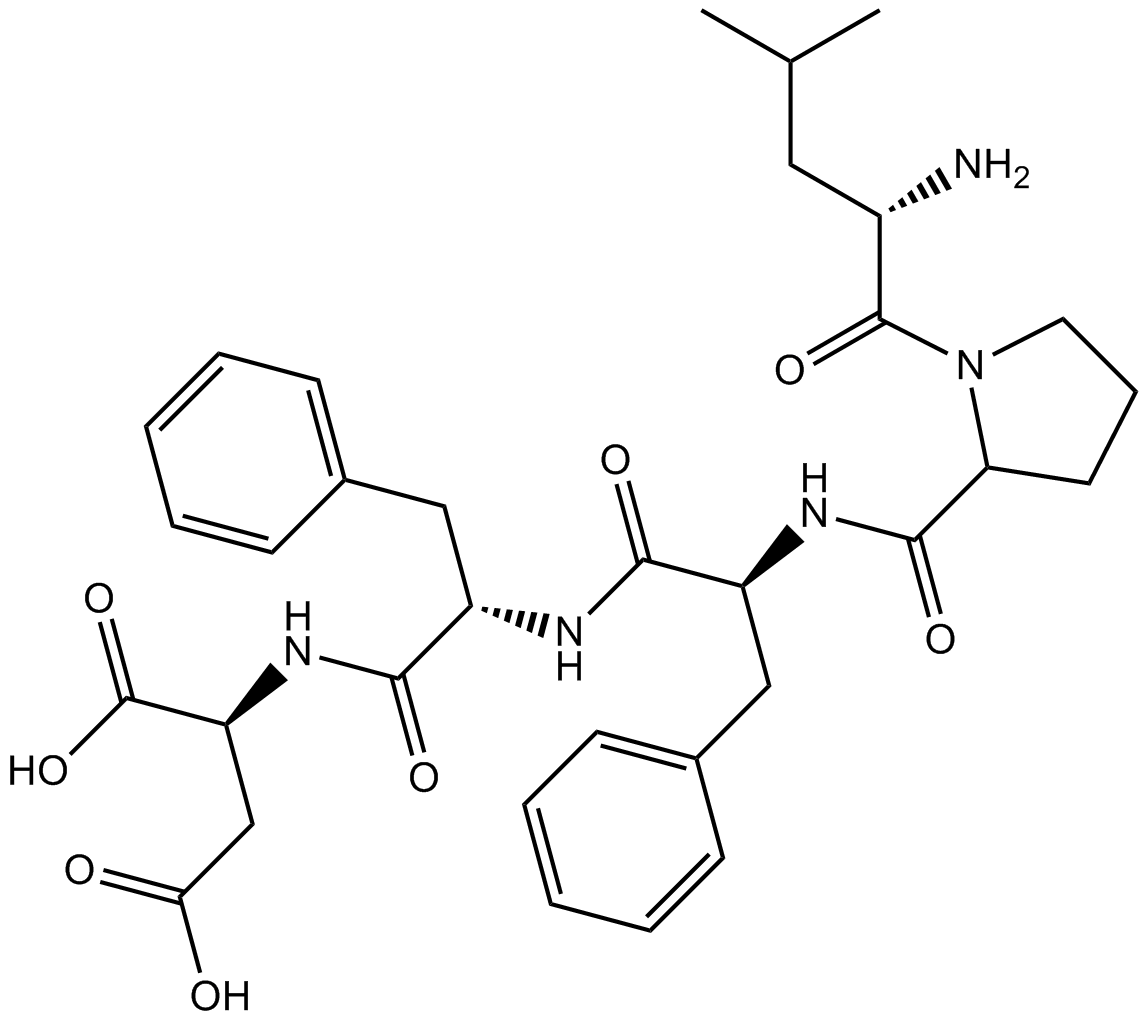
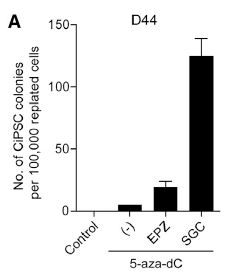
Two recently developed, highly specific EZH2 enzymatic inhibitors, GSK126 and EPZ-6438, are currently in clinical trials for treating lymphomas (Kim and Roberts, 2016). Although these EZH2 inhibitors have shown antitumor effects in lymphoma cells with enzyme-activating mutations of EZH2 (Knutson et
-
Structurally HMTs can be broadly categorized into three func
2021-11-26
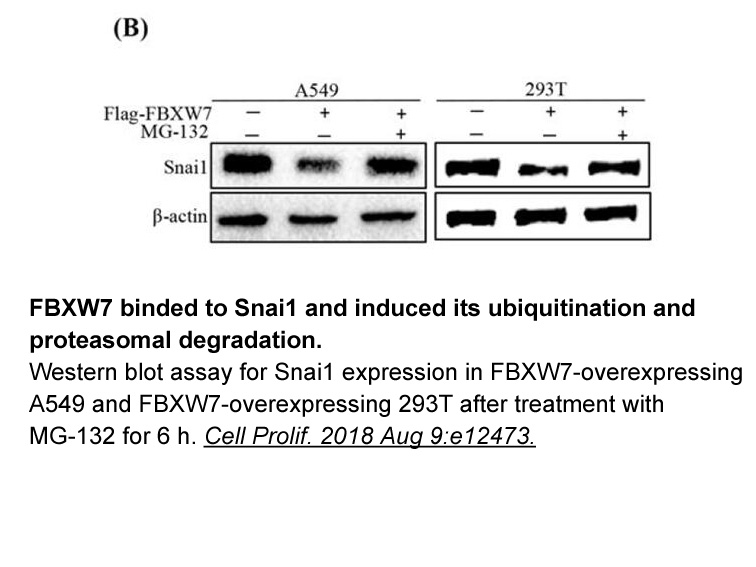
Structurally, HMTs can be broadly categorized into three functional enzymatic families, the SET (Suppressor of variegation, Enhancer of zeste, Trithorax)-domain- containing methyltransferases, the non-SET DOT1-like (DOT1L) lysine methyltransferases, the PRDM family, containing a PR (PRDI-BF1-RIZ1 ho
-
Moreover we have demonstrated that internalization
2021-11-26
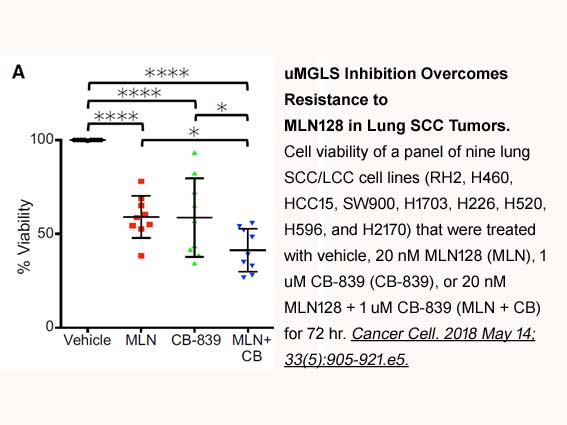
Moreover, we have demonstrated that internalization and subcellular trafficking of NPRA, using IF staining (IFS) and co-IP of plasma membrane, endosomal, lysosomal, and recycling endosome markers to follow intracellular trafficking and signaling by confocal IF microscopy (CIF) and immunoblotting (IB
-
Decreasing GSK activity has therapeutic benefits in animal m
2021-11-26
Decreasing GSK-3β activity has therapeutic benefits in animal model of colitis [45] and traumatic SW033291 injury [46] and ischemia/reperfusion injury [47,48]. In brain, activation of GSK-3β promotes Aβ toxicity by elevating APP expression and its amyloidogenic cleavage, and by dysregulating Aβ cle
-
Biochemical assays have provided evidence that prolonged exp
2021-11-26
Biochemical assays have provided evidence that prolonged exposure to GPR35 agonists can induce GPR35 internalization [2], [4], [11], [13]. Our finding that neuronal excitability decreased regardless of whether the slices were superfused for a few minutes or incubated for a few hours with GPR35 agoni
-
GLP is known to be expressed in a
2021-11-26
GLP-1 is known to be expressed in a subset of taste bud cells and has been shown to co-localize with GPR120 in the circumvallate papillae [22]. Local GLP-1 regulates taste preference for sucrose [54]. Analogous to intestinal mediation of GLP-1 by GPR120, Martin et al.[22] report induction of GLP-1 s
16311 records 545/1088 page Previous Next First page 上5页 541542543544545 下5页 Last page